Introduction
In the world of clinical procedures, few topics are as intricate yet crucial as stomas. For many, the term "stoma" might stimulate complication or worry. Nevertheless, comprehending what a stoma is and its purpose can give clarity and comfort for those going through such procedures or looking after a person who has.
A stoma is an opening up developed operatively to permit bodily waste to exit when typical discharging paths are interrupted. This short article will certainly look into various facets of stomas-- discovering their performances, care strategies, and the emotional ramifications of coping with one. By the end, we intend to debunk stomas and outfit visitors with useful info, especially in regard to stoma care training and complex digestive tract care training
What is a Stoma?
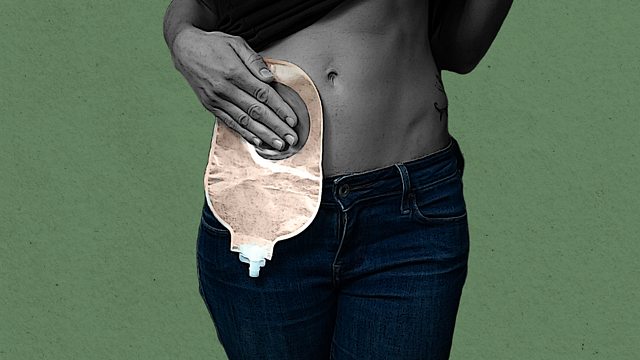
A stoma is specified as a surgically developed opening in the body that connects an inner body organ to the exterior. The term can describe openings from different body organs but is most frequently related to digestive tract or urinary diversions.
Types of Stomas
Colostomy: This type includes producing an opening from the colon (large intestinal tract) to the abdomen. It's commonly essential after surgery for colon cancer cells or inflammatory bowel disease.
Ileostomy: An ileostomy entails diverting waste from the ileum (little intestine) straight to an abdominal opening, often made use of when the colon needs to be removed.
Urostomy: This kind reroutes urine away from an infected bladder with a stomach wall surface opening.
Why Are Stomas Needed?
Stomas are commonly called for as a result of problems that impair normal digestion or urinary system functions-- such as cancer cells, Crohn's condition, ulcerative colitis, or injury. They can considerably boost lifestyle by preventing complications associated with these conditions.
The Function of a Stoma
The key function of a stoma is to help with waste removal when typical routes are jeopardized:
- Bypass Damaged Tissue: A stoma enables waste to bypass harmed digestive tract sections. Prevent Complications: It assists avoid infections or clogs that might take place if waste were allowed to accumulate. Enhance Top quality of Life: For numerous individuals, having a stoma indicates recovering autonomy over their health and daily activities.
Understanding Ostomies and Stomas
While typically made use of mutually, it's important to differentiate in between "stoma" and "ostomy." An ostomy refers extensively to any surgical procedure creating a fabricated opening for waste elimination; therefore every ostomy includes a stoma.
What is an Ostomy?
An ostomy is a more comprehensive term including various kinds of surgical procedures involving stomas-- colostomies, ileostomies, and urostomies fall under this category.
Stoma Performance Explained
How Does a Stoma Work?
Once formed, the stoma acts as a new electrical outlet for garbage disposal:
- Waste goes through the intestinal tracts or urinary tract. It exits via the stoma into a collection bag adhered securely around it.
What Takes place Post-Surgery?
After surgical procedure, patients need time for recovery-- both literally and emotionally:
Initial Healing: Expect some pain post-surgery. Learning Contour: Clients must adapt to their brand-new regular including ostomy care. Regular Exams: Follow-up visits make certain proper healing and function.Caring for a Stoma: Essential Training for Carers
Understanding just how to take care of a stoma is important not just for individuals yet additionally for caretakers that help them.
Stoma Care Training for Carers
To give ideal assistance, caretakers must undertake specific training programs focusing on:
Application of Ostomy Pouches Hygiene Practices Managing Skin Health around the Stoma Recognizing Indications of ComplicationsImportance of Professional Training Programs
Courses like NDIS complex bowel care training provide organized education tailored specifically for carers taking care of complex instances including ostomies.
Complex Digestive tract Care Training
What Does Complex Bowel Care Entail?
Complex bowel care involves taking care of problems impacting bowel function that may require specialized interventions including:
- Techniques for effective bowel management. Understanding nutritional changes necessary post-surgery. Psychological support techniques during healing phases.
Benefits of Complex Bowel Care Courses
These courses equip caregivers with practical skills that enhance client outcomes while lowering anxiety bordering ostomy management.
Understanding Bowel Care Management Techniques
Effective bowel care management is https://edgarhspp619.iamarrows.com/facility-bowel-administration-strategies-for-improved-patient-outcomes extremely important in guaranteeing both physical wellness and psychological health post-stoma surgical procedure:
Dietary Factors to consider Post-Stoma Surgery
Patients might need support on dietary adjustments vital for maintaining healthy digestion after surgical treatment:
Soft Foods Initially Gradually Reintroducing Fiber Hydration ImportanceRegular Surveillance of Result & Health Status
Keeping track of feces consistency can aid recognize prospective issues early on:
|Stool Kind|Indicator|| ------------|--------------------|| Type 1|Irregularity|| Kind 5|Looseness of the bowels|| Type 7|Severe diarrhea|
Emotional Influences of Living with a Stoma
Living with a stoma can bring about significant emotional difficulties; recognizing these can help in giving empathetic support:
Common Emotional Responses Post-Surgery
Anxiety About Appearance Fear Regarding Leakage Concerns Over Social AcceptanceAddressing Psychological Health
Support teams can play a very useful role in assisting people browse these difficulties by attaching them with others encountering comparable experiences.
FAQs Regarding Stomas and Ostomies
1. What way of living modifications need to I anticipate after getting a stoma?
Adjustments consist of nutritional modifications, learning correct hygiene practices, and adjusting day-to-day activities around ostomy care routines.
2. Exactly how typically will I require stoma supplies?
Most people change their bag every 3-7 days depending upon personal needs; nevertheless, everyone's scenario might differ significantly.
3. Can I participate in sporting activities with a stoma?
Yes! Numerous professional athletes successfully engage in sports post-surgery; protective gear may be suggested relying on task levels.
4. Is there any type of risk of problems after surgery?
As with any kind of surgical procedure, threats do exist consisting of infection or clog at the website; routine follow-ups minimize these risks significantly.
5. What psychological assistance options are available?
Counseling solutions tailored in the direction of those adapting to life post-ostomy can provide tremendous benefits alongside peer support system catering especially towards ostomy patients.
6. How do I know if my stoma requires medical attention?
Signs such as boosted soreness around the base of your stoma or uncommon output (like excessive blood loss) show you should contact your doctor immediately.
Conclusion
Understanding "What is a Stoma? Discovering Its Purpose and Performance" is essential not simply for people considering this path however additionally caregivers sustaining them with their journey in the direction of recuperation and adaptation post-surgery.
As we've checked out throughout this article-- from kinds and features of stomata-- to vital aspects associated with effective caregiving-- it's evident that education plays an irreplaceable function in guaranteeing optimal results both physically and emotionally when managing an ostomy.
With sources like NDIS complex bowel care training offered today along with detailed understanding obtained here concerning "what is ostomy care," any individual browsing this course should really feel equipped as opposed to intimidated by what lies ahead.

Through notified choices backed by professional advice combined with community support group-- the transition into life after receiving an ostomy comes to be much smoother assisting in freedom when again!